Happy Fall, y'all! As Summer starts to transition into cooler temps, it’s the perfect time to give your garden and yard some much-needed attention before Winter arrives. A little cleanup now can protect your plants, reduce pests and diseases and set you up for a healthier, more productive garden next Spring.
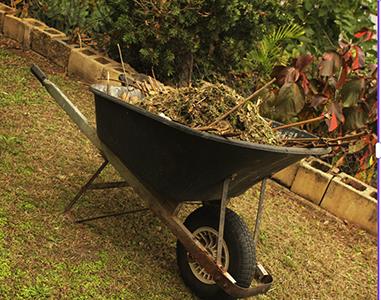
Use these Fall garden cleanup tips to get your landscape ready for the colder months.
1. Start Composting Garden Debris
Collect your old annuals and vegetable plants and make sure they’re free of disease if you want to safely compost them. Never include diseased plants since the bacteria in them can fester over the Winter and contaminate the soil. Any plant material showing signs of disease should be bagged and removed from your property.
Gardens want nutrient-rich compost that will benefit your plants for next Spring.
2. Know Which Perennials to Cut Back in Fall
When cleaning up flower beds, focus first on removing and disposing of diseased foliage. Healthy seed heads can remain in place, providing valuable food sources for birds during the Winter.
The following perennials benefit from being cut back after they go dormant:
-
Astilbe
-
Bee Balm
-
Bearded Iris
-
Catmint
-
Columbine
-
Daylily
-
Gaillardia
-
Hosta
-
Lilies
-
Peony
-
Phlox
-
Salvia
-
Yarrow
3. Perennials to Leave Until Spring
Some plants benefit from extra winter protection provided by their foliage and stems. These should be left standing until Spring.
Wait Until Spring to Prune:
-
Annual wildflowers, such as Cosmos, Zinnias, and Sunflowers
-
Echinacea
-
Rudbeckia
-
Sedum
-
Ornamental Grasses
-
Butterfly Weed
-
Ferns
-
Heuchera
-
Woody perennials, such as Lavender and Russian Sage
Leaving these plants intact also provides winter interest and habitat for pollinators and beneficial insects.
4. Empty and Store Hanging Baskets and Containers
If you plan to reuse your hanging baskets, pots and containers next year, Fall is the time to clean out and empty them. Fresh potting soil should be used each Spring, so remove old soil from containers before storing them. Wash containers with a mild bleach-and-water solution to kill lingering pests and diseases, then allow them to dry completely.
Store containers in a protected area to prevent cracking from freezing temps.
5. Clean and Store Garden Tools
Properly Taking care of your gardening tools before Winter can extend their lifespan and keep them in tip-top shape for Spring.
Before storing:
-
Remove all dirt and debris.
-
Wash and dry tools thoroughly.
-
Apply a light coat of oil or a penetrating lubricant to metal surfaces.
-
Check handles for damage and make any necessary repairs.
Did you know? This simple trick prevents rust. If you store metal tools in a bucket filled with sand mixed with a small amount of motor oil, your tools won’t rust. The mixture helps keep blades clean, sharp and protected throughout the Winter months.
6. Make the Most of Fallen Leaves
Leaves may seem like a seasonal nuisance, but they're one of the most valuable natural resources in your yard. Rather than sending leaves to the curb, consider using them in your garden:
-
Add them to your compost pile.
-
Mulch them directly into your lawn.
-
Save shredded leaves to use as garden mulch next Spring.
Mulching leaves with a lawn mower works best when done regularly throughout the season. If leaves are allowed to accumulate too deeply, raking may be the more effective solution.
7. Create a Record of Your Garden for Next Year
Before Winter settles in, take a few minutes to document this year's gardening successes and challenges. A garden journal can help you:
-
Record what was planted and where.
-
Plan crop rotation for healthier soil.
-
Track pest and disease issues.
-
Note which plants performed best.
-
Identify areas for improvement next season.
Keeping detailed records makes future garden planning easier and can help improve harvests and blooms year after year.
Prepare Now for a Better Spring Garden
A little effort in the Fall can make a big difference when the next growing season arrives. By composting healthy plant material, cleaning tools, caring for containers, managing leaves and properly maintaining perennials, you'll create a healthier landscape for your next garden adventure in the Spring!